

Mistplay pays real gift cards for playing mobile games, but the rate is slower than the ads suggest. Here’s exactly how it works and what your time is actually worth.
So Is Mistplay Actually Legit?
Short answer: yes. Mistplay is a real, established company that has been paying out gift cards to Android gamers since the mid-2010s, and a quick scroll through Reddit or the Play Store reviews will turn up thousands of people who have genuinely redeemed Amazon, Visa, and Google Play rewards. It is not a phishing front, and it never asks for your bank login or credit card. You install it, you play games, you cash out.
The reason it can pay you at all comes down to how it makes money. Game studios spend enormous budgets acquiring and keeping players, and Mistplay sits in the middle of that: developers pay it to funnel engaged users into their titles, and Mistplay shares a slice of that budget back to you as rewards. That model is what separates it from “watch this ad and get $1,000” scams — the money is real advertising spend, not a pyramid that collapses when new sign-ups dry up.
That said, “legit” and “lucrative” are two very different words. Mistplay is legit in the sense that it truly pays. It is not a side hustle that will cover your rent, and anyone selling it that way is stretching the truth. Think of it as a small, honest kickback for time you were going to spend gaming anyway — not a paycheck.
How Mistplay Actually Works: Units, GXP, and Levels
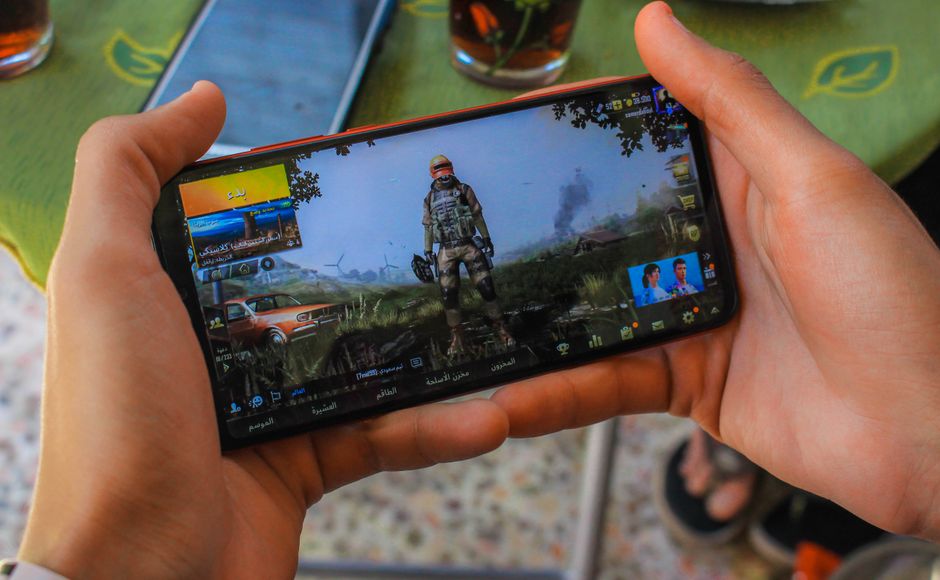
Once you install the app, you get a personalized catalog of games. The key rule is that you have to install and launch those games through Mistplay itself, because the app tracks your active playtime to know what to pay you. Play a title you grabbed straight from the Play Store and it earns you nothing here — the tracking link has to be in place.
As you play, you rack up two separate currencies. Units are the ones that actually convert into gift cards. GXP (game experience points) do something different: they raise your player level, and a higher level multiplies how many units every future minute of play is worth. So the early grind feels slow on purpose, and it speeds up as you climb.
On top of the base rate, Mistplay layers on bonuses to keep you engaged. New games in your list usually arrive with a limited-time “boost” that pays far more units per minute than an old one will. There are daily play streaks, PLUS units for hitting milestones, and rotating “mixlist” challenges that hand you a lump-sum bonus for playing a set of featured titles. When your units pile up, you swap them for gift cards, with the smallest rewards typically starting around a $5 redemption.
What It Really Pays: The Honest Numbers
Here is where expectations need a reality check. A $5 gift card generally costs you a few thousand units, and a typical game — outside of its boost window — pays somewhere in the low hundreds of units per hour. Do the math and casual play often works out to roughly ten to fifty cents an hour, occasionally brushing a dollar when you’re riding a fresh boost or a strong mixlist.
Stretched across a normal month of playing here and there, most people realistically bank something like a $5 to $15 gift card. Genuinely dedicated users who chase every boost and log in daily can push past $20 or more, but that represents real hours, not spare seconds. If someone claims they’re pulling $100 a month effortlessly, they’re either grinding like it’s a part-time job or flat-out exaggerating.
The other thing to know is that rates decay. A game is generous while Mistplay wants you hooked, then the unit rate drops sharply once the boost expires. Loyalty does not pay here — chasing the newest high-rate titles does. Once you internalize that the payout is modest and front-loaded, the app stops feeling like a letdown and starts feeling like a nice bonus.
How to Earn Faster Without Wasting Your Time
The single biggest lever is the boost period. Prioritize brand-new games in your catalog and play them hard while their per-minute rate is inflated, then move on before it craters. Camping on one favorite title long-term is the most common way people leave units on the table.
After that, protect your multipliers. Keep a daily streak alive even if it’s just a few minutes, funnel GXP into leveling up so every future unit is worth more, and knock out mixlist challenges and PLUS milestones, since those pay lump sums that dwarf your minute-to-minute earnings. Stacking a boost on top of a high player level is where the numbers actually get interesting.
Just as important, only pick games from your list that you’d tolerate playing anyway. Mistplay pays for real active play, so you can’t fully idle your way to a payout, and grinding a game you hate for pennies is a bad trade. Rotate two or three titles you genuinely enjoy, cash out at the lowest threshold when you’re starting so you can confirm the whole loop works, then let units build toward bigger cards once you trust it.
Turning Mistplay Into Free In-Game Progress (Safely)
Here’s the move for players who want to advance without spending their own cash: cash your units out as a Google Play gift card and pour it straight back into the game you actually care about. That gem pack or battle pass gets funded by time instead of your wallet, and because you’re buying currency through the official store, you’re completely inside the rules — no bans, no risk to your account.
Be clear-eyed about the trade-off, though. Mistplay needs “usage access” permission to see how long you play each app, which is more visibility than a typical game requests. It’s how the whole thing functions, but it’s a fair reason to decide the rewards are worth it before you opt in, and to keep it on a device where that doesn’t bother you.
Finally, use only the official app from the Google Play Store. Search “Mistplay hack,” “unlimited units,” or a modded APK and you’ll find a graveyard of malware, credential-phishing pages, and account-killing scams dressed up as shortcuts. There is no generator that mints free units — those exist purely to steal your logins or infect your phone. The real app is the safe one, and the “cheat” versions are exactly the danger the legit version isn’t.